
Obô National Park
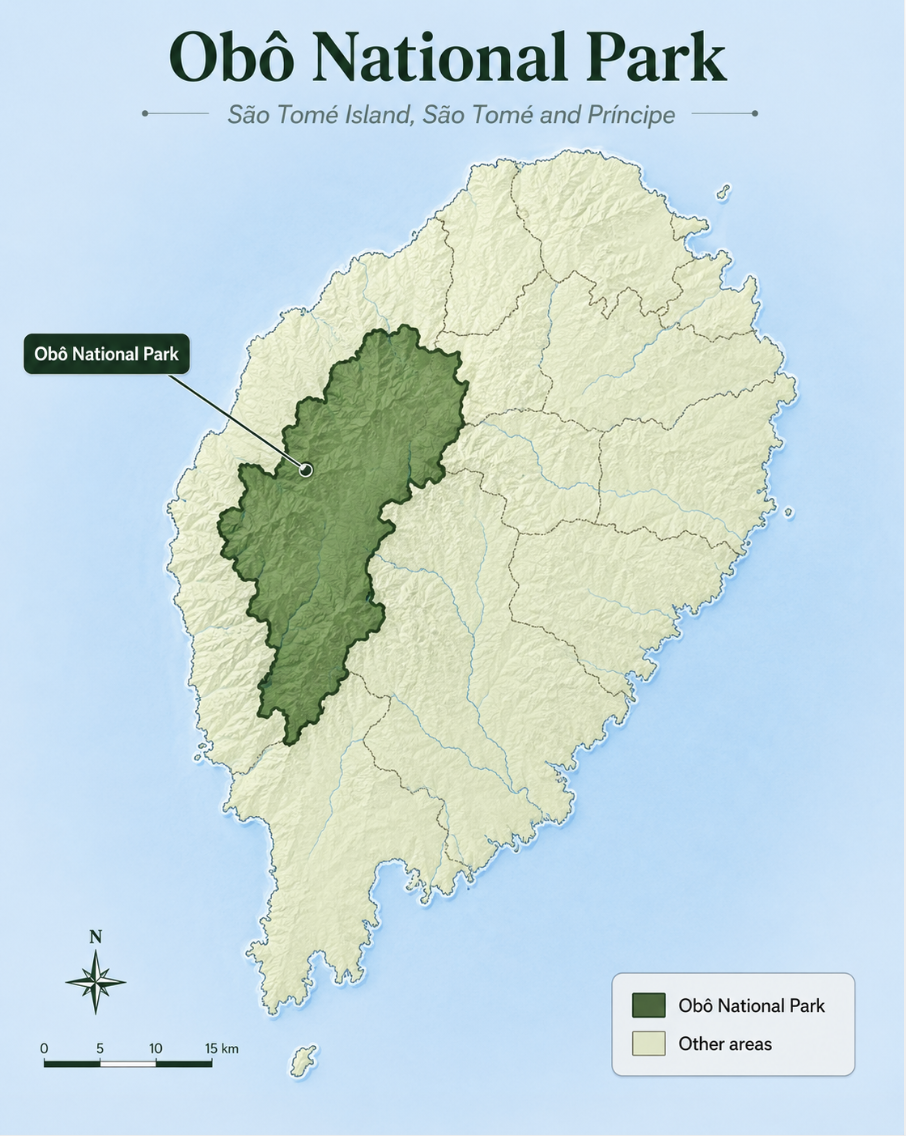
Primary tropical rainforest covering nearly 30% of São Tomé Island, home to dozens of endemic species and the country’s highest peak, Pico de São Tomé (2,024m).
One of West Africa's most biologically distinct rainforest ecosystems.
Obô National Park is home to dozens of endemic species, birds, orchids, amphibians, and plants found nowhere else on Earth. The park protects nearly a third of São Tomé Island and is designated an Important Bird Area by BirdLife International. For visitors, it represents one of the few places in West Africa where primary tropical rainforest can still be experienced largely undisturbed.
What is Obô National Park?
Obô National Park is São Tomé’s primary tropical rainforest, a 295 km² protected area covering nearly a third of São Tomé Island, home to extraordinary biodiversity and the island’s highest peak.
The park contains Pico de São Tomé at 2,024 metres, the country’s highest peak, and several other notable summits. The biodiversity includes endemic bird species like the São Tomé fiscal and São Tomé thrush, rare orchids, and giant tropical trees. Príncipe Island has its own Obô Natural Park; together they form one of the most biologically distinct tropical forest systems in Africa.
Most visitors enter via Bom Sucesso near Monte Café, where the botanical garden serves as the park’s interpretive gateway. Trails range from short interpretive walks (Lagoa Amélia crater lake, accessible in a few hours) to multi-day treks (Pico de São Tomé summit climb).
Where Obô lies on São Tomé
How to visit Obô National Park
How to get there
The main park entrance is at Bom Sucesso, near Roça Monte Café in the Mé-Zóchi mountain district. Drive time from São Tomé city is approximately 1 hour via paved mountain roads. Bom Sucesso also hosts a botanical garden that serves as the park’s interpretive gateway. The smartest base for serious park visits is Espaço Brice at the trailhead, owner Brice is a professional Monte Pico association guide. From the city, the park is a comfortable full-day excursion.
When to go
Dry season (June-September) for the most reliable trail conditions and clearest weather. Wet season (October-May) brings dramatically more rain, trails become muddy and slow, but the forest is at its most alive. Birdwatchers often prefer wet season for breeding plumage and song. Whatever the season, early morning offers the best wildlife activity.
What to bring
Hiking boots with strong grip, a rain jacket (this is rainforest, always), long sleeves and pants, DEET-based insect repellent, binoculars (essential for birdwatching), 2-3 liters of water, high-energy snacks, and a camera with telephoto lens. For longer treks, bring trekking poles and additional supplies arranged through your guide.
What to expect
Obô is genuine primary rainforest, dense, layered, humid, and biologically active. Trails range from short interpretive walks at Lagoa Amélia (a crater lake accessible in a few hours) to multi-day treks up Pico de São Tomé. A local guide is essential, navigation is challenging in dense forest, and guides identify species and historical context you’d miss alone. The Monte Pico association handles most professional guiding.
Inside the rainforest
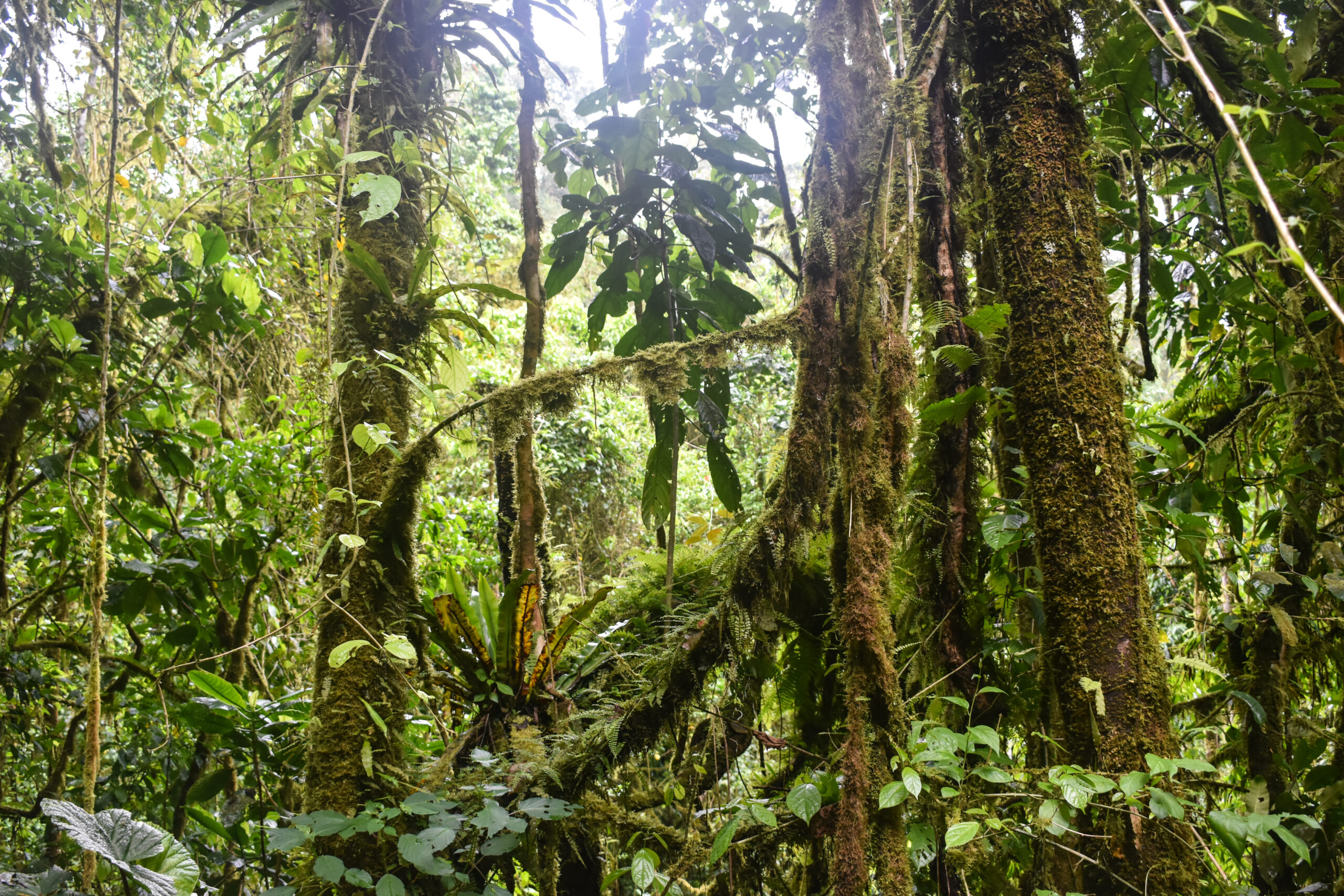
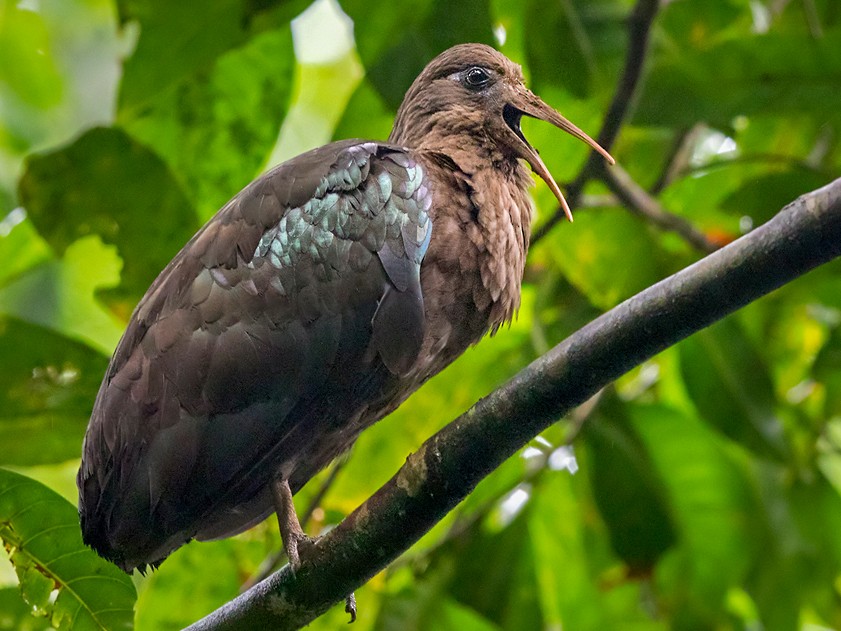
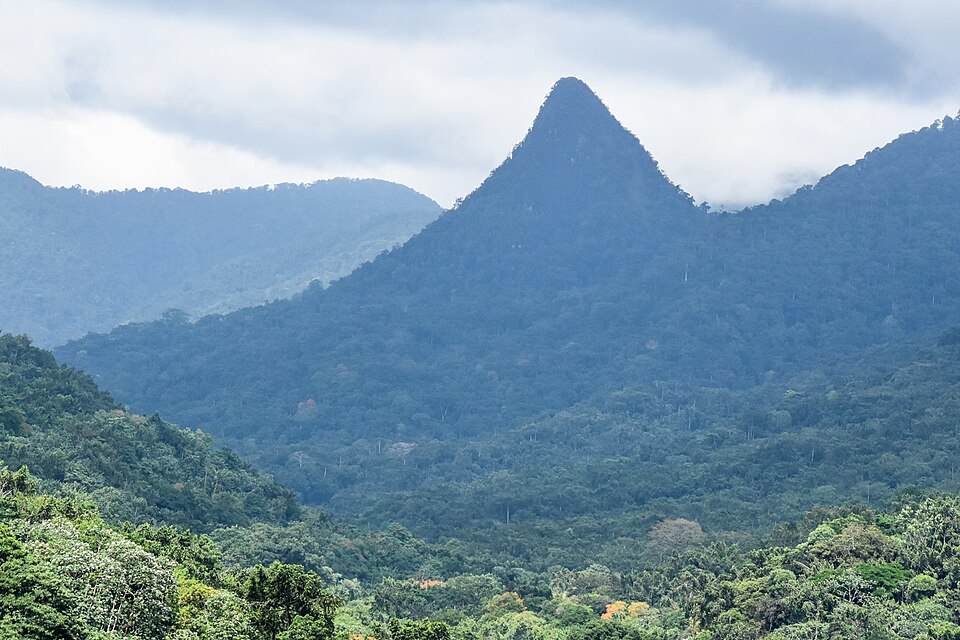
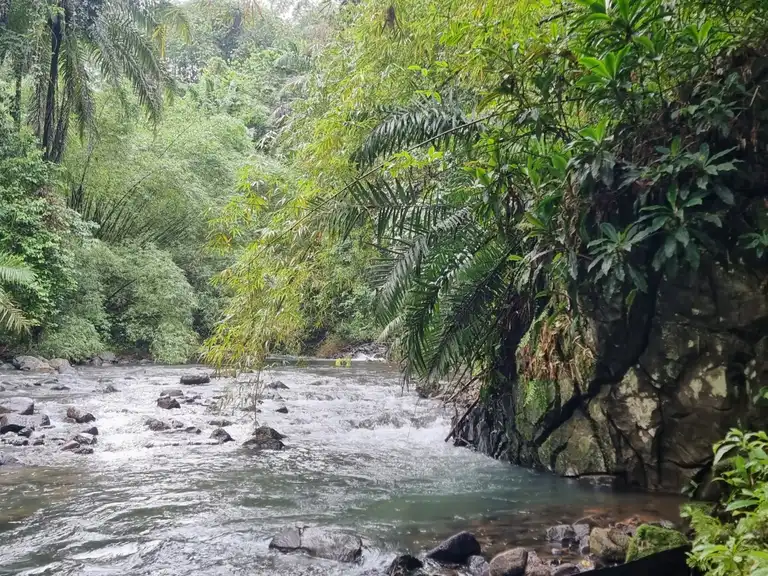
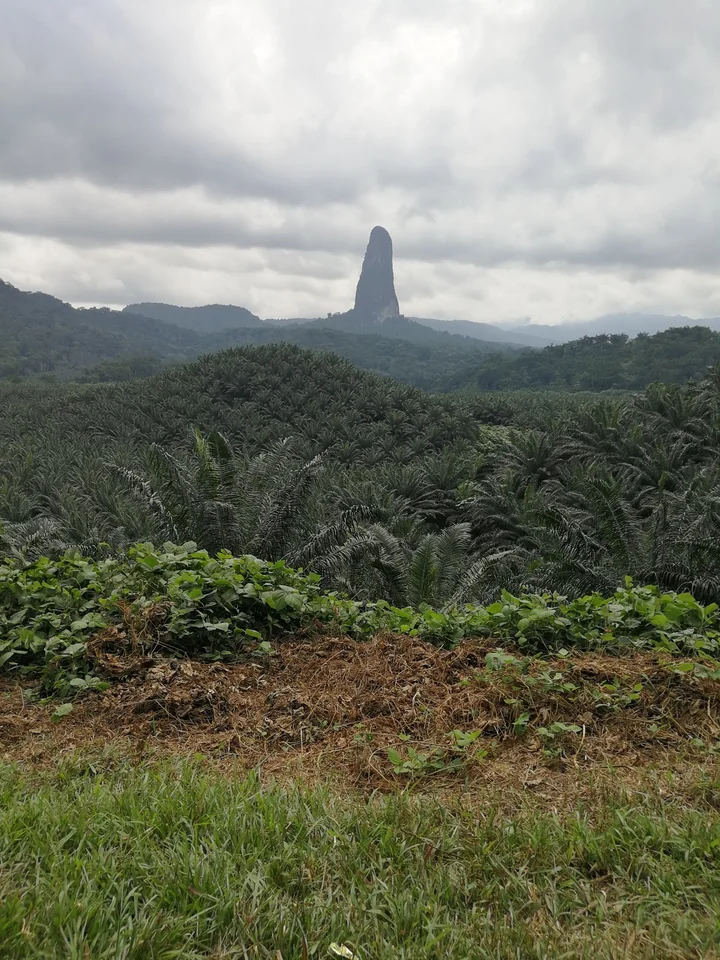
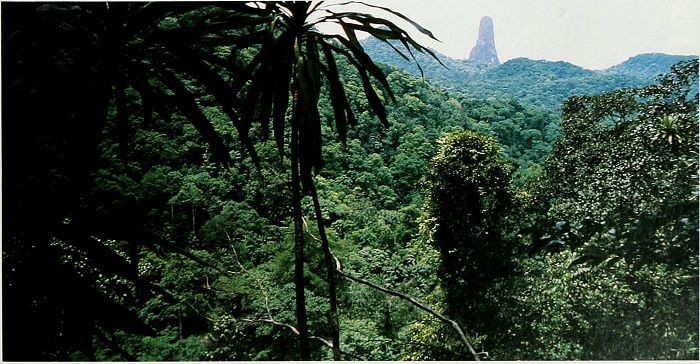
Don’t attempt Obô without a guide. Even short trails are easy to lose in dense forest. Book Brice from Espaço Brice, his guesthouse is at the trailhead and he’s one of the most experienced Monte Pico guides. Plan at minimum a full-day excursion (Lagoa Amélia crater lake is a satisfying day target). For serious immersion, the 2-3 day Pico de São Tomé trek is the gold standard. Birdwatchers should hire a specialist guide; multiple endemic species are realistic sightings.
Obô National Park, questions answered
What is Obô National Park?
Obô National Park is São Tomé’s primary tropical rainforest, covering approximately 295 km² (nearly 30% of São Tomé Island). It’s home to dozens of endemic species, birds, orchids, amphibians, and plants found nowhere else on Earth, and contains the island’s highest peak, Pico de São Tomé at 2,024 metres. It’s designated an Important Bird Area by BirdLife International.
How do I visit Obô National Park?
The main entrance is at Bom Sucesso near Monte Café, about 1 hour by car from São Tomé city. A local guide is essential, the Monte Pico association handles most professional guiding. Brice from Espaço Brice (at the trailhead) is among the most experienced guides. Day hikes and multi-day Pico de São Tomé treks both start here.
What can I see in Obô National Park?
Endemic bird species (including the São Tomé fiscal, São Tomé thrush, and others found only on the island), rare orchids, giant tropical trees, the Lagoa Amélia crater lake, and the trail to Pico de São Tomé. Birdwatching is a major draw, specialist guides can be arranged.
Do I need a guide for Obô National Park?
Yes, strongly. The forest is dense and easy to lose your way in, even on shorter trails. Beyond safety, guides identify endemic species and historical context you’d miss alone. The Monte Pico association is the standard professional guiding body.
When is the best time to visit Obô National Park?
Dry season (June-September) for the most reliable trail conditions and clearest summit views. Wet season (October-May) is muddier and slower but biologically more active, better for birdwatchers wanting breeding plumage. Early morning is best for wildlife activity year-round.
Our recommended bases near Obô National Park
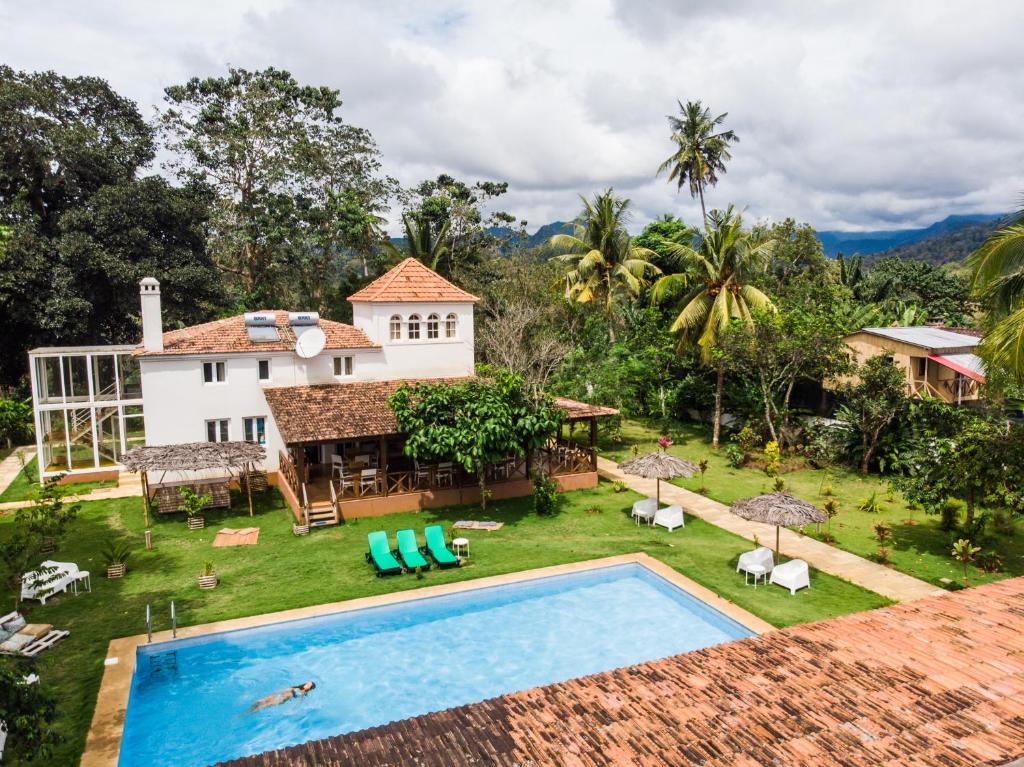
Roça Santo António Ecolodge
Rural heritage plantation
A polished 3.5-star ecolodge with 20 rooms and 2 pools. Comfortable alternative to Espaço Brice for travelers wanting more amenities while staying close to the park.
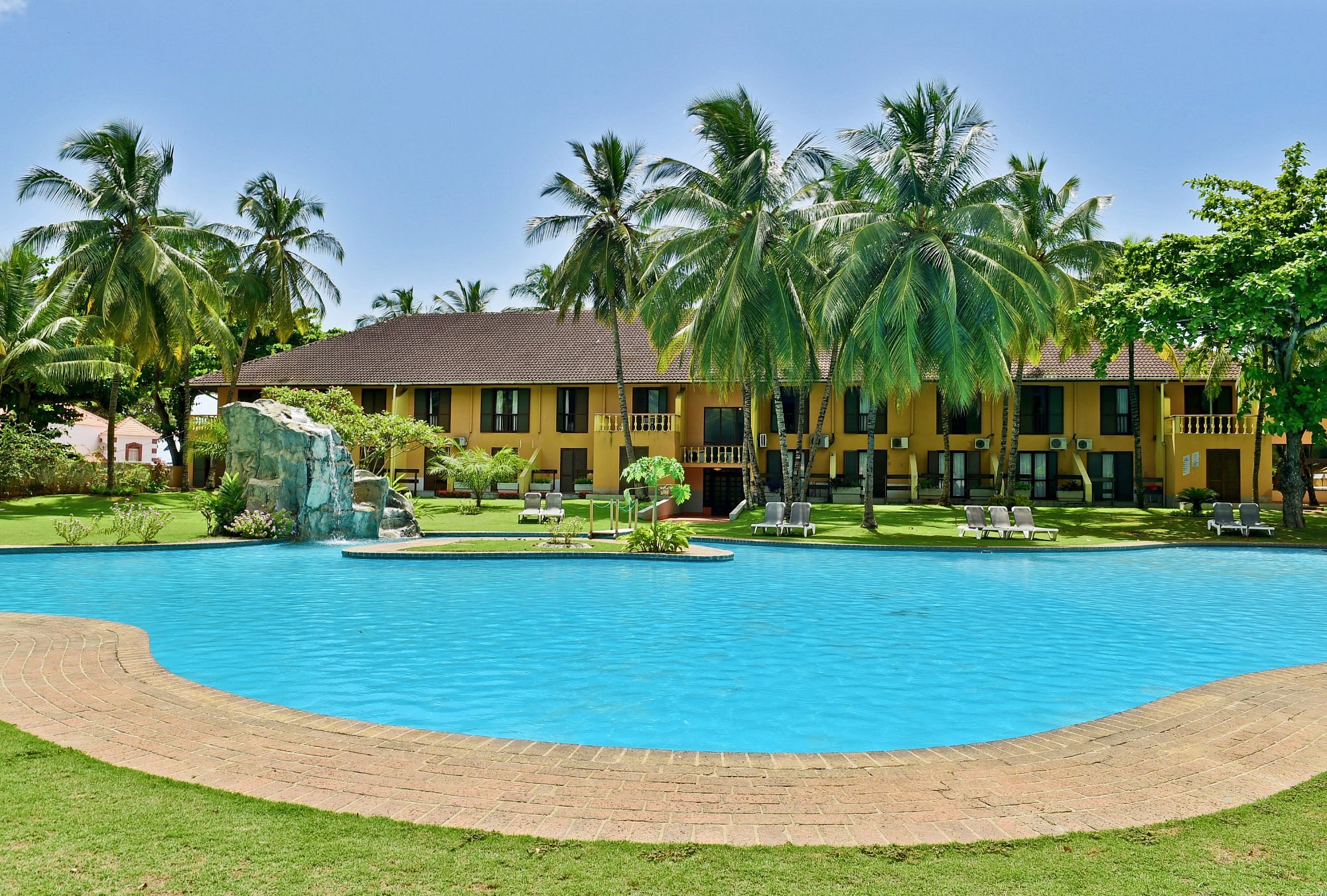
Pestana Miramar
Capital seafront · 4-star
A polished seafront hotel in the capital, the comfortable base for day trips into the central rainforest around 45 minutes from the trailhead. The easy choice if you want town amenities and a pool after a day on the trails.
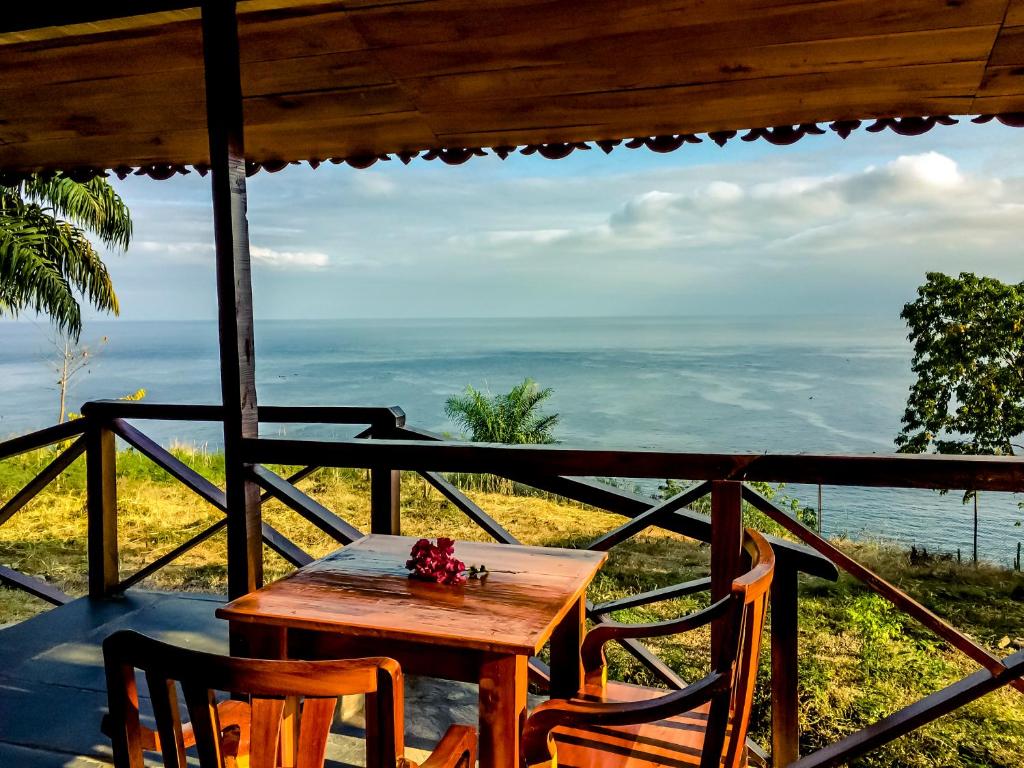
Mucumbli
Northwest coast · Cliff-top
Italian-owned eco-lodge by the Pisoni family. A good pairing for Obô day trips, combine rainforest mornings with cliff-top coastal sunsets.
Visiting Obô National Park?
For more on Obô National Park or local advice, we’re here to help.